

Building SEO Since 13 years Old. I didn’t set out to build an agency — I set out to solve a problem.
Most SEO tool roundups look the same: endless lists, superficial overviews, and no real strategy. Tools are tossed around like magic wands, making it appear as though clicking a few buttons will drive results. That's not how SEO works.
SEO success comes from skilled professionals using the right tools with purpose. This guide shows you which SEO tools help and which ones to avoid. We’ll help you build a practical, high-impact SEO stack that drives long-term visibility, traffic, and revenue.
Before diving deeper, find out exactly how much revenue SEO could generate for your site. Use our SEO ROI Calculator to forecast real results, not just rankings.

Before we look at different tool names, let’s be clear: SEO tools can't do everything on their own. They’re diagnostics, not deliverables. They show you what’s broken and what’s working, but they don’t fix anything on their own.
If terms like “technical SEO,” “rank tracking,” or “digital PR” feel unfamiliar, we’ve got you covered. Read our beginner’s guide: What is SEO? for a clear breakdown of how search engine optimization works.
The best SEO software depends on your business needs. Ahrefs and SEMrush are examples of all-in-one SEO platforms, meaning they include tools for keyword research, technical audits, rank tracking, content optimization, and backlink analysis within a single platform.
At DTC SEO Agency, we use a tailored mix of professional tools to get the best results for each client.
Auto-optimize plugins might sound convenient, but they can quietly wreck your SEO. These tools often promise “instant optimization” or “100% SEO scores” with no manual input, but they’re a shortcut to serious issues.
We’ve seen auto-optimizers overwrite intentional metadata, break structured page hierarchies, and even make sites uncrawlable. Some strip out custom titles or replace thoughtful descriptions with keyword-stuffed nonsense.
Plugins like Yoast can be helpful, but only when used by someone who knows how SEO really works. If a tool claims to “do SEO for you,” that’s a red flag.
This is why DIY SEO can backfire. Brands looking for long-term growth need strategy, testing, and skilled hands behind the wheel.
AI SEO tools are everywhere now. Some claim they can write entire blog posts in seconds. Others promise to optimize your entire site with the click of a button. Most of them don’t deliver, and some can actively harm your SEO performance:
At DTC SEO Agency, all content is written, reviewed, and optimized by real humans. Our team of experienced content specialists ensures every piece is:
AI can be a helpful tool in the process. But it’s no substitute for strategic thinking, real expertise, and quality control.
Without keyword research, you won’t know which terms your audience is searching for, or which ones you have a real chance of ranking for. That means your content strategy is built on guesswork.
Effective keyword research tools show you key data like search volume (how many people search for the term), keyword difficulty (how hard it is to rank), and related search queries. This helps you target realistic opportunities and match your content to what people actually want to find.
With the right keywords, you can create blog posts, product pages, and collection pages that are more likely to rank and more likely to bring in your ideal customers.
Ahrefs is one of the most powerful all-in-one SEO tools on the market.
Here’s why:
If you're serious about SEO, Ahrefs gives you the data and tools to act strategically—not just reactively.
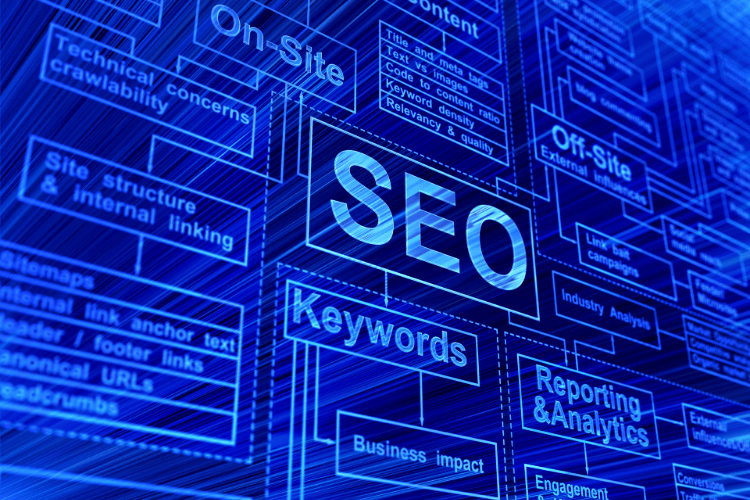
You could have the best content strategy and keyword targeting in the world, but if your technical SEO is broken, none of it will matter.
Technical SEO is the foundation that everything else depends on. If your website has crawl issues, broken links, slow load times, or indexing problems, search engines may never properly discover or rank your content. These are the invisible blockers that can quietly kill your SEO performance.
That’s why technical SEO tools are essential. They help you identify and fix these hidden issues early, before they derail your results. From site audits to crawl diagnostics, these tools make sure your website is healthy, accessible, and primed to rank.
Screaming Frog is a desktop-based crawler that scans your entire website and surfaces technical SEO issues that might be hurting your performance. It’s one of the most trusted tools in the SEO world, and for good reason.
Here’s why we use it:
The Wayback Machine is another underrated but powerful SEO diagnostic tool, particularly during or after website redesigns. Redesigns often impact SEO, frequently in negative ways, by unintentionally removing or altering elements that previously helped pages rank.
With the Wayback Machine, we can:
These kinds of changes can cause search engines to stop recognizing key on-page signals, even if the page “looks” the same to users. By comparing historical versions, we can pinpoint what broke, understand why rankings dropped, and revert or fix the underlying issue.
Analytics tools show you exactly what's working, what’s not, and where to focus your efforts next. More importantly, they let you tie SEO activity directly to business impact, such as traffic, conversions, and revenue.
We track how SEO drives growth.
GA4 is a free tool for understanding your website’s performance. It allows you to:
When connected with e-commerce tracking or goals, GA4 also shows the revenue tied to organic traffic. This means clients can see exactly how SEO contributes to sales, not just clicks.
TripleWhale is known for its e-commerce analytics, especially around paid ads. But at DTC SEO Agency, we've extended its power with a custom-built SEO dashboard that brings your organic performance into sharp focus.
What TripleWhale Offers by Default:
What You Get with DTC SEO Agency:
Our custom SEO dashboard goes beyond TripleWhale's standard features. We’ve developed a tailored view that:
This dashboard is exclusive to our clients. It gives ecommerce brands full visibility into what’s working, what’s not, and where to double down, across both paid and organic channels.
Content is a core part of your SEO engine. And optimizing that content takes more than hitting publish and hoping for the best.
Great SEO content has plenty of moving parts: keyword targeting, structure, internal linking, metadata, readability, and user intent. When these elements work together, your content becomes accessible and competitive.
On-page optimization tools guide you in aligning your writing with what both users and search engines are looking for.
And when done right, optimized content builds trust. Authoritative, well-structured content positions your brand as an expert in your niche, helping you win over both algorithms and real customers.
Ranking well is only part of the SEO equation; your content also needs to get clicked. That’s where SERP Simulator can help.
This free tool lets you preview how your page title and meta description will appear in Google search results. You can see if your text is getting cut off, if your keywords are clear, and whether your messaging is compelling enough to earn clicks.
This is why it helps:
This tool helps you present the most polished, clickable version of your blog posts, product pages, or landing pages in search.
Your keyword rankings reflect how visible your brand is in search and where you stand against competitors. Rank tracking helps you spot growth, diagnose drops, and make data-driven decisions.
It also helps you answer crucial questions such as:
While we’ve covered these tools in other sections, it’s worth noting that both platforms also offer robust rank tracking capabilities. You can monitor daily keyword movements, track progress across different countries or devices, and visualize changes over time. They also make it easy to benchmark against competitors.
SE Ranking is a more budget-friendly option, ideal for agencies or businesses managing multiple sites. It offers accurate position tracking, scheduled reports, and competitor monitoring, without the steep learning curve of larger platforms.
Sometimes, nothing beats a manual check. Using an incognito browser or tools like the Detailed Extension, you can see exactly how your pages appear in the wild—alongside competitor results.
Manual checks help you:
Keeping an eye on your rankings and your competitors is key to adapting quickly, avoiding performance dips, and staying ahead in search.

Backlinks remain one of Google’s strongest ranking signals, but not just any link will do. In fact, low-quality or irrelevant backlinks can do more harm than good.
To improve SEO performance, your site needs high-quality backlinks from reputable sources that align with your brand, industry, and audience. These links act like digital endorsements: a vote of confidence that tells search engines your site is trustworthy and authoritative.
That’s where Digital PR tools come in. They help you discover outreach opportunities, connect with journalists, and build backlinks that actually move the needle.
SEO tools help analyze, track, and improve your website's SEO performance. They help with keyword research, site audits, backlink analysis, and more. This gives SEO professionals the data they need to make strategic decisions and improve online performance.
Yes, tools like Google Search Console and Google Keyword Planner are a solid starting point. But as your site grows, you’ll need more advanced features. Many brands eventually work with agencies such as DTC SEO Agency, which use professional tools to optimize performance and track real progress.
Ahrefs and SEMrush are top SEO tools for small businesses due to their all-in-one functionality. SE Ranking is a cost-effective alternative with solid features.
Google Analytics is a good starting point for understanding traffic and on-site behavior, but on its own, it doesn’t provide the full picture—especially if you care about revenue, not just sessions.
For a complete view of SEO performance, we recommend pairing:
If your goal is to track sales and revenue driven by SEO, tools like TripleWhale are far more effective than Google Analytics alone. TripleWhale provides more granular attribution, allowing ecommerce brands to see how organic search contributes to conversions across the full customer journey.
In practice:
Rank tracking is the process of monitoring your position for specific keywords. Keyword rankings are the results from that process, showing where you appear in search engine results.
Yes. Tools like SERP Simulator let you test how your meta descriptions will appear in search results, so you can catch issues like text being cut off or unclear messaging. Tools like the Detailed Extension help you analyze competitor pages and improve your own content structure for better visibility.
Having the right SEO tools is important, but knowing how to use them strategically drives growth. At DTC SEO Agency, we don’t just run reports or chase keyword scores. We use professional-grade platforms like Ahrefs, Screaming Frog, and our custom dashboards to deliver SEO that’s tailored to your brand, your audience, and your goals.
From keyword strategy to technical audits, content optimization to backlink building—we connect every task to real business impact. That means more visibility, more traffic, and more revenue.
Ready to Grow With SEO That Works?
If you're tired of guessing and want to see what smart, strategic SEO can do for your brand, book a call for expert help.
SEO tools don’t get you rankings; smart strategy and consistent execution do.
Use tools that give you keywords, track keyword positions, assist with technical SEO, and enable real competitive analysis. Avoid shortcuts. Avoid AI tools that create filler. Avoid one-click promises.
If you want SEO software that supports business growth, not vanity metrics, DTC SEO Agency is ready to help.
