

Building SEO Since 13 years Old. I didn’t set out to build an agency — I set out to solve a problem.
Search engine optimization (SEO) influences how e-commerce businesses attract, convert, and retain customers. While some brands can succeed using paid ads alone, SEO becomes increasingly important for companies that want to scale efficiently and build long-term value.
Running an online business today means competing with other companies in your niche to capture customers at every stage of the funnel, from early research and product discovery to comparison shopping and purchase-ready searches. Customers don’t just search when they are ready to buy. They search to solve problems, evaluate options, compare brands, and validate decisions.
If your online store doesn’t appear when shoppers ask Google, ChatGPT, or other AI-powered search tools for recommendations, product comparisons, or buying advice, they often turn to a competitor instead. This happens even after a customer has seen your paid ads. Without strong search visibility, ad-driven demand can easily convert somewhere else.
This article explains why SEO is important for e-commerce websites, how it supports growth beyond paid advertising, and why SEO, GEO, and AEO are now essential components of a modern search strategy.
DTC SEO Agency helps e-commerce brands get better search visibility. We capture high-intent traffic and build sustainable growth. Our specialty services include fully managed SEO and AI search optimization for online stores. When SEO works as part of your growth strategy, it supports revenue today and strengthens your business for the future.
Are you ready to improve search rankings for your e-commerce store? Book a call.
E-commerce SEO helps your online store appear when customers actively search for products, categories, and buying-related terms. It includes keyword research, content creation (blog articles, product, and category pages), internal linking, link building, digital PR, site structure, and technical fixes that improve crawlability and performance.
To rank consistently, your site needs three things: accessibility, relevance, and authority.
If search engines can’t crawl, render, and index your site properly, nothing else matters. Clean architecture, strong internal linking, fast load speeds, mobile performance, and structured data ensure your store can be accessed and understood.
Each page must match a specific search intent clearly. Search engines need to know exactly what a page is about and which queries it deserves to rank for. Vague pages don’t perform. Intent-aligned pages do.
When technical foundations and relevance are comparable, authority decides who wins. External links, topical depth, and consistent subject coverage signal that your brand deserves visibility.
The stronger you are across all three, the more likely your store is to outrank competitors.

SEO influences far more than rankings. It also shapes how customers find your products, how much you pay to acquire them, and how stable your revenue becomes over time.
People searching for specific products or categories already show buying intent. Ranking for those searches puts your e-commerce website in front of potential customers at the right time.
Organic SEO efforts often attract visitors who stay longer on the site. They tend to view more pages and are more likely to convert compared to visitors from other sources. That makes SEO one of the most dependable sources of website traffic for e-commerce businesses.
For example, over the last seven months, we increased a dog food brand’s organic search net profit by 178%.
Organic revenue grew 134.9%, orders increased 143.4%, and cost per acquisition (CPA) dropped 58.9%.
Our SEO strategy focused on identifying what existing pages should rank for, uncovering new search opportunities, optimizing content site-wide, building authority through high-quality backlinks, and establishing topical depth through strategic blog content.
Blog articles we created in the first month are still ranking in AI Overviews and in the top positions for queries like “can dogs eat quinoa” — a commercially relevant search tied directly to the client’s product line.
Paid ads require increasing spend to reach more people. The more you scale, the more you pay.
SEO works differently. The investment is fixed, and once product or category pages rank, they continue attracting traffic without increasing media spend.
SEO strengthens every other marketing channel.
By ranking for relevant, high-intent keywords, SEO brings qualified traffic to your site. That traffic feeds your paid ads pixel, improving audience data and retargeting performance.
A customer may first discover your brand through organic search, browse without purchasing, and later convert through a retargeting ad or email offer. The final click might come from paid media, but SEO created the first touchpoint.
For instance, an email opt-in and offer could lead to a conversion, but it was another marketing initiative that took them to your site before that.
E-commerce growth rarely comes from a single channel. It comes from channel interaction. SEO plays a foundational role in that funnel by consistently introducing new high-intent visitors into your ecosystem.
Many shoppers search for a brand or product on search engines like Google after seeing an ad. If your e-commerce site does not rank well for those follow-up searches, competitors that appear higher in results often capture the sale.
SEO ensures your online store appears when customers search for products, compare prices, or look for reviews.
High placement in search engine rankings sends a clear signal to potential customers. Shoppers often trust ranking websites more than ads, especially for unfamiliar brands.
Good SEO builds trust. This is important in competitive e-commerce areas. Trust can impact conversion rates just like pricing or shipping speed.
E-commerce businesses with consistent organic traffic usually sell at higher multiples. Buyers value predictable traffic that does not rely on constant ad spend.
SEO creates an asset, not a campaign. That asset improves cash flow stability and strengthens valuation if you decide to sell or raise capital.
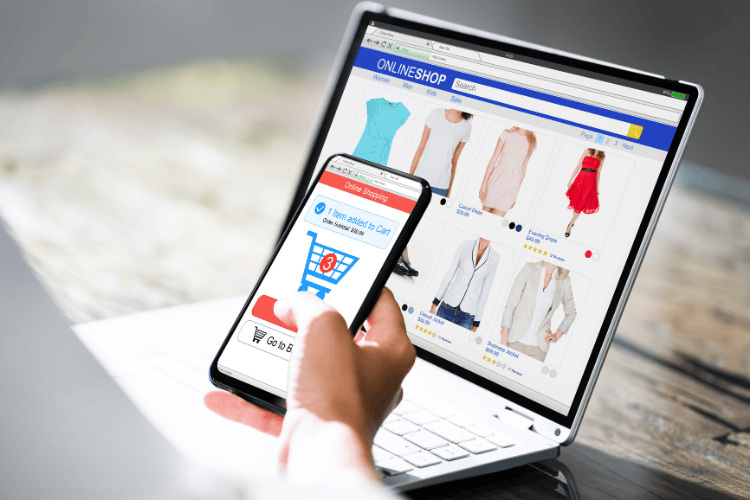
Search doesn't just happen in the classic search engine results pages anymore. AI-powered tools now prioritize product recommendations, comparisons, and buying advice directly inside conversational interfaces.
AI search systems pull information from high-ranking web pages, structured data, and trusted e-commerce sites. If your products and categories are not visible through SEO, AI tools may ignore them entirely.
Your e-commerce SEO efforts impact how your products appear in AI-generated answers.
GEO helps search engines and AI systems correctly interpret your products, pricing, availability, and category relationships. When your site uses structured data, clear product descriptions, and logical internal linking, AI systems can accurately identify what you sell and when to surface your site in recommendations and generated answers.
GEO isn't replacing SEO. It depends on it.
AEO centers on short, direct answers to product-related questions. FAQ sections, product guides, and descriptive category content that explains what the products are and who they’re for, to improve visibility in conversational search tools and voice search.
E-commerce businesses that structure high-quality content clearly gain more exposure across these new search environments.
SEO success requires diligent execution. That's why we recommend fully managed SEO to clients who want to maximize their return on investment. These areas shape how e-commerce websites perform in search. Would you like to know what kind of return you can expect from your SEO strategy? Use our SEO ROI calculator.
Keyword research identifies how customers search for products, categories, and problems. Effective research focuses on:
Tools such as Google Keyword Planner and other keyword research tools help measure search volume and competition.
On-page optimization efforts help search engines understand each page’s purpose. This includes:
Well-structured web pages support both rankings and user experience.
Technical SEO supports crawlability and indexing. Core elements include:
This approach ensures search engine algorithms can access and interpret your e-commerce site correctly.
Content marketing supports e-commerce SEO by answering customer questions and capturing search traffic earlier in the buying process. Strategic blog posts, product guides, and comparison content help your audience discover your brand before they reach the product page.
But content must be intentional. Low-value blog posts or poorly planned articles can cannibalize your revenue-driving pages and weaken performance. We’ve seen many e-commerce brands dilute their rankings by publishing content that competes with their own money pages.
Strong content strategy builds topical depth without undermining commercial intent. It supports product and category pages; it doesn’t compete with them.
Digital PR strengthens e-commerce SEO by building authority beyond your website. While on-page optimization and technical SEO help search engines understand your store, Digital PR helps search engines and AI systems trust it.
When reputable publications, industry sites, and media outlets mention your brand and link to your site, those signals influence how search engines evaluate credibility. High-quality editorial links support stronger rankings for product and category pages and improve visibility across competitive search results.
Digital PR also plays a growing role in AI-driven search. AI systems rely on trusted sources when generating recommendations, comparisons, and buying advice. Brands that appear across authoritative third-party sites are more likely to be referenced in AI-generated answers.
User experience affects SEO rankings directly and indirectly. Clear navigation, fast loading pages, and simple checkout flows improve the engagement signals that search engines monitor.

Paid ads can generate immediate online visibility, but they come with ongoing costs. SEO can take time, but its impact compounds and it can be a more profitable channel over time. It should be seen as a stable back-bone of a business
The strongest ecommerce strategies combine both. Paid ads support launches and promotions. SEO builds long-term traffic and protects brand visibility across search engines and AI platforms.
Relying on paid ads alone often leads to rising acquisition costs and fragile growth.
E-commerce SEO helps your product pages, category pages, and other important web pages appear in search results. This happens when people look for what you sell. It includes keyword analysis, on-page SEO, and off-page SEO, such as link building. The goal is to get more organic search visibility for buying-related searches. This way, your e-commerce website can attract shoppers who are already looking for products like yours.
Most e-commerce businesses see early changes in SEO rankings within six to 12 weeks. However, real revenue impact usually takes three to six months. In competitive categories or for newer sites, it may take longer.
Timing depends on your site's baseline, which includes technical foundation, site structure, and content quality. It also depends on your competitors, specifically how strong their SEO is, how established their rankings are, and how aggressively they invest in content and optimization. If your e-commerce site has problems with indexing, slow speed, or poor product content, fixing these issues ASAP can help you see results more quickly.
No. SEO and paid ads serve different roles.
Paid ads are push marketing. They create awareness and generate demand by putting your product in front of audiences who may not yet be searching for it.
SEO is pull marketing. It captures existing demand when customers actively search for solutions, products, or comparisons.
If you launch a completely new, innovative product with no existing search demand, SEO alone won’t drive growth. No one is searching for it yet. Paid ads help create that awareness first.
As search volume grows and customers begin actively searching, SEO becomes critical for efficiently capturing that demand and protecting branded and non-branded queries.
That said, early SEO still makes a difference. Being the first to publish authoritative content around a new category can position your brand as the source, strengthening long-term visibility as demand develops.
The bigger risk is relying only on ads. Ad performance can decline due to audience fatigue, rising costs, or platform changes. Entire channels can shift overnight: algorithms update, costs increase, or platforms face regulatory bans.
Shoppers also rarely convert on the first click. They may see an ad, then later search for your brand or product. If you don’t rank when they search (but your competitor does), you risk losing the sale.
SEO protects that follow-up behavior. It captures branded and non-branded demand when intent is highest and provides stability beyond paid media volatility.
Over nearly two decades, Google’s algorithm updates have consistently focused on improving user experience and eliminating shortcuts. Brands that invest in sustainable, high-quality SEO are far less exposed to disruption than those dependent solely on paid traffic.
An effective e-commerce SEO stack often includes Google tools, technical auditing platforms, and revenue tracking. There is also an increasing focus on AI visibility.
As search expands beyond traditional results pages, visibility increasingly includes AI-generated answers and conversational discovery. Basic tools that only report rankings or sessions often miss how search demand turns into revenue. For e-commerce businesses focused on long-term performance, expert-led SEO is essential to interpret data correctly and avoid misleading insights.
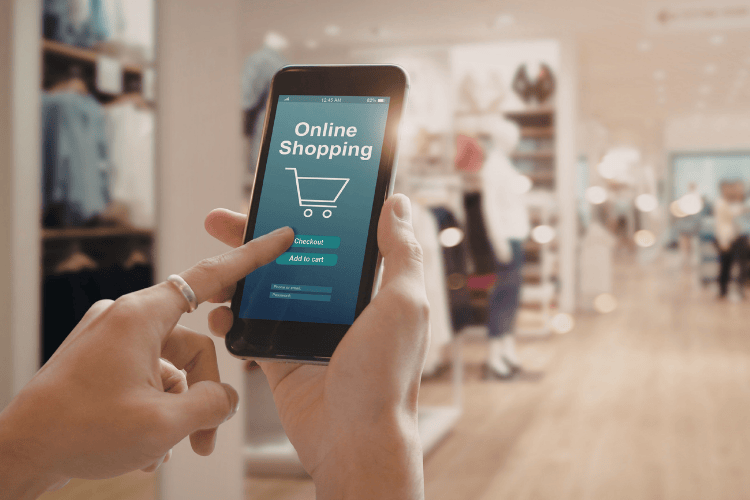
Mobile performance affects both rankings and conversions. Search engines use mobile-first indexing. This means they look at the mobile version of your web pages to crawl and rank them. If your e-commerce website is slow, has layout shifts, or hides content on mobile, it can hurt your search visibility, which can lead to lower sales. Good optimization also improves user experience, which supports better engagement and higher conversion rates.
Traditional SEO focuses on ranking in search engine results pages. GEO (Generative Engine Optimization) applies those same SEO principles to AI-driven search environments.
GEO is not separate from SEO; it’s a subset of it. Strong technical foundations, clear site architecture, structured data, high-quality content, and authority signals are required for both.
Where GEO becomes especially important is in clarity and consistency. AI systems rely on explicit signals to interpret and summarize your products accurately. That means consistent product naming, clear category structures, aligned pricing information, and precise descriptions across your site.
If your information is fragmented, inconsistent, or poorly structured, AI-driven tools are more likely to misinterpret it, or ignore it altogether.
In practice, GEO and AEO extend traditional SEO. They don’t replace it. The brands that perform well in AI search are the ones with strong SEO fundamentals already in place.
E-commerce SEO success should be measured by business outcomes, not surface-level metrics.
In practice, this comes down to two core indicators:
Many SEO agencies stop at rankings and traffic reports. They don’t connect SEO performance to sales, customer acquisition cost, or lifetime value. That gap makes it hard for e-commerce teams to understand what SEO is actually contributing to the business.
At DTC SEO Agency, we tie SEO efforts directly to revenue and CAC impact, so performance is measured by growth.
Yes, especially if you sell products with steady demand and want a channel that compounds over time. SEO helps small e-commerce businesses grow without relying solely on paid ads or matching larger brands dollar-for-dollar on ad spend.
Focused content creation can also help. Together, these elements can bring steady organic traffic. The key is to choose relevant keywords where you can succeed. Fix technical issues early. Build a site structure that supports growth as you add more products. Have a look at our e-commerce case studies to see how we’ve helped other online businesses.
SEO shouldn't be seen as a supporting channel for e-commerce stores anymore, it's the backbone. It shapes how customers discover products, compare options, and decide where to buy. It influences revenue, acquisition costs, and how resilient your growth is when ad costs rise or platforms change.
A strong e-commerce SEO strategy puts your products in front of customers at the exact moment they search. It captures existing demand, protects sales driven by ads, and builds traffic that doesn't disappear when spending pauses. Over time, that visibility becomes an asset. It improves margins, stabilizes revenue, and increases the long-term value of your business.
Search behavior is also changing. Customers now discover products through traditional search results, AI-powered tools, video platforms, and conversational queries. E-commerce brands that treat SEO as a one-time project fall behind.
DTC SEO Agency works with e-commerce brands that want predictable, measurable growth from search. Our fully managed SEO and AI search optimization services focus on revenue impact, not surface-level metrics. When SEO is built into your growth strategy, it supports sales today and positions your business for what comes next.
Need a Magento SEO expert or Shopify SEO services? Book a call.
